
Introduction
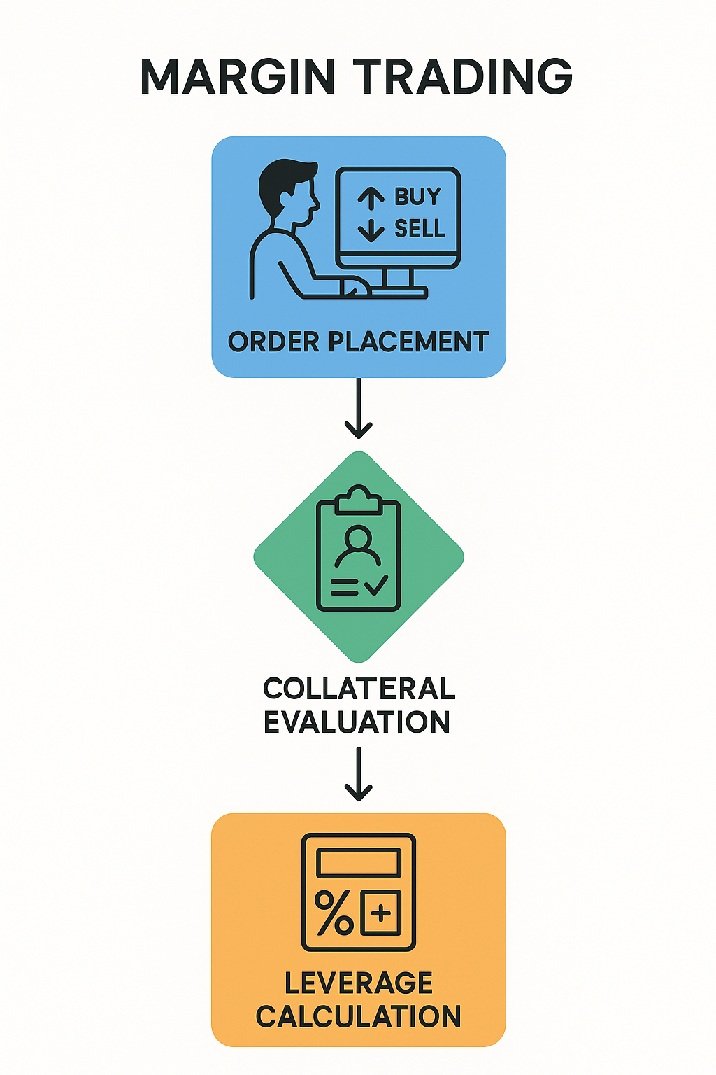
Modern derivatives trading requires strict operational discipline to navigate high-volatility market cycles successfully. Derivative products grant immense market exposure, but they simultaneously demand absolute clarity regarding capital requirements. Many market participants face unexpected liquidations because they fail to compute their necessary upfront funding. Integrating precise structural analysis before executing large positions forms the foundation of sustainable risk management. Utilizing automated analytical tools ensures derivatives strategies remain safe, optimized, and fully protected against sudden intraday price shocks.
What Is a Margin Calculator?
A digital margin calculator is a specialized financial software designed to compute collateral requirements instantly. This intuitive interface analyzes contract sizes, asset volatility, and regulatory exchange parameters within fractions of a second. It eliminates tedious manual mathematics, allowing market participants to visualize their required funding upfront.
The system ensures absolute transparency, protecting accounts from facing disruptive execution delays during active trading hours. It serves as an indispensable roadmap for optimizing purchasing power safely.
How Margin Requirements Work in F&O Trading
Futures and options segments utilize heavy operational leverage, which drastically amplifies both potential gains and losses. Exchanges mandate a specific upfront capital deposit to guarantee contract fulfillment against adverse price swings.
Traders can use an advanced F&O margin calculator to determine this exact amount prior to joining the market. The software factors in specific span margins and exposure margins simultaneously to protect capital.
Using a reliable F&O margin calculator allows individuals to model multiple hedged positions perfectly. It reveals how protective strategies, like buying options against futures, can lower overall funding limits.
Margin Calculation in Commodity Trading
Commodity markets present distinct operational challenges, including physical delivery rules and extended global trading hours. Assets like gold, crude oil, and agricultural goods experience rapid price fluctuations driven by international supply dynamics.
Traders must utilize a specialized commodity margin calculator to monitor these shifting capital parameters. This tracking module applies specific initial margins and extreme loss margins dictated by regional commodity exchanges.
Running numbers through a commodity margin calculator protects accounts from suffering abrupt margin calls during overnight sessions. It ensures that there is always sufficient cash on hand to handle unpredictable changes in assets.
Types of Margins Traders Should Know
- SPAN Margin: The baseline regulatory collateral mandated by the exchange to cover worst-case daily price movements.
- Exposure Margin: An additional protective buffer applied to insulate portfolios from severe intraday market shocks.
- Initial Margin: The total combined funding required to activate a live position on the exchange network.
- Mark-to-Market Margin: Daily cash adjustments settled automatically based on active closing asset prices.
Key Factors Affecting Margin Requirements
- The asset’s natural instability and past trends of price changes.
- The total number of open lot sizes and specific contract expiry dates.
- The application of active hedging techniques to linked contracts.
- Sudden updates in regional regulatory exchange policy mandates.
- Implied volatility spikes preceding major macroeconomic policy announcements.
Benefits of Using a Margin Calculator
- Prevents Account Liquidation: Avoids catastrophic, automated position closures by maintaining precise collateral levels.
- Optimizes Purchasing Power: Finds chances for effective capital allocation across several asset types.
- Enhances Hedging Efficiency: Visualizes clear margin discount rewards when combining offsetting long and short contracts.
- Saves Operational Time: Delivers instant, error-free math, eliminating complex manual ledger computations.
How to Use a Margin Calculator Effectively
- Select the desired financial segment, such as stock index futures or global commodity contracts.
- Input the exact product type along with your target position direction and specific expiry month.
- Enter the intended number of lots or total individual quantities into the tracking fields.
- Click the compute button to view the total required span and exposure capital layout.
- Analyze how adding an options leg decreases your total initial cash requirement instantly.
Common Margin Calculation Mistakes
- Assuming flat funding parameters across highly distinct financial instruments.
- Utilizing maximum platform leverage without keeping a liquid capital cushion.
- Failing to re-evaluate requirements when exchanges increase span percentages during high-risk events.
- Neglecting the impact of overnight mark-to-market settlements on available cash balances.
Tips for Better Risk Management
- When planning for the market, always make sure to check a current F&O profit tool process.
- Maintain extra free cash reserves to handle sudden, adverse intraday price fluctuations smoothly.
- Deploy strict stop-loss orders to limit capital damage when trends reverse unexpectedly.
- Utilize premium execution platforms that offer real-time collateral tracking inside a single dashboard.
Conclusion
Mastering derivatives trading requires combining tactical market insights with disciplined risk management models. You may remove dangerous operating guessing from your everyday routine by adding an automatic F&O margin tool. These foundational platforms grant the mathematical edge needed to survive and scale across volatile sessions. Audit your capital requirements meticulously, build robust hedged frameworks, and secure your long-term trading future today.